Designs that are shifting toward regenerative,
nature-led environments
BY NESE JONES
15 May 2026
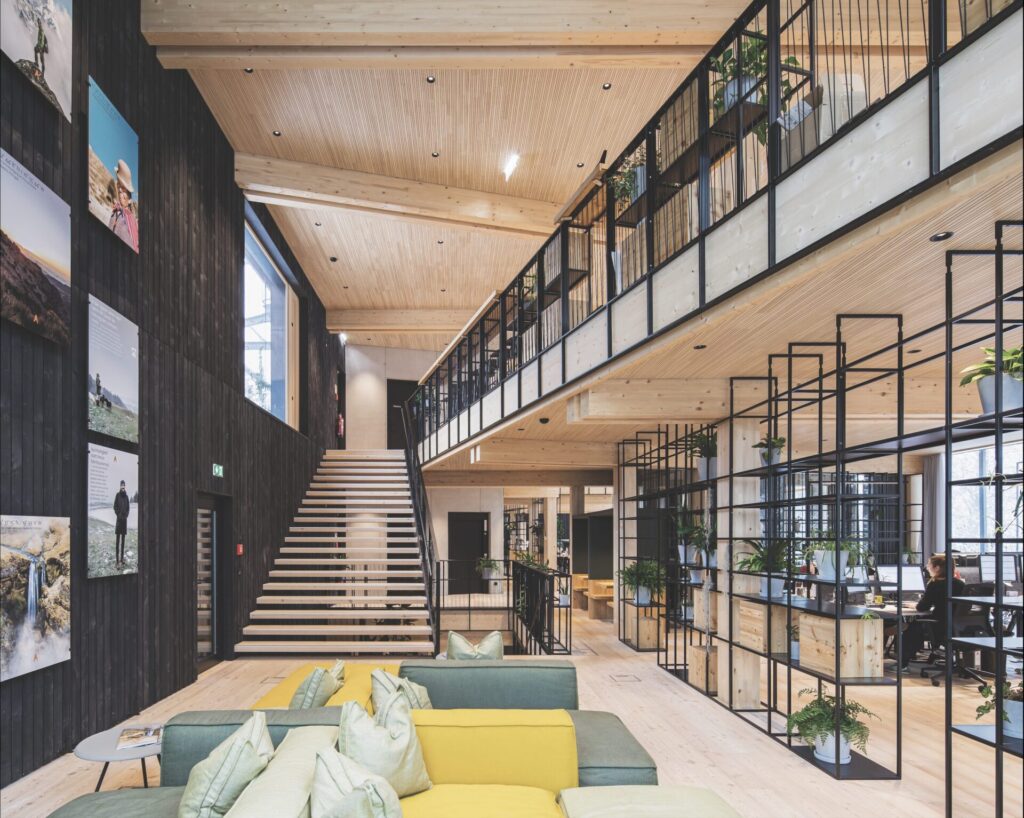
As the architectural world confronts the urgency of climate resilience, workplace design is undergoing a radical transformation. No longer content with token greenery or sustainable checklists, a new generation of projects is redefining what it means to bring nature into the heart of where we work. At the forefront of this shift is Snøhetta, the internationally acclaimed transdisciplinary studio known for its deeply contextual and human-centred designs.
From pioneering timber structures to immersive green landscapes, Snøhetta’s work exemplifies how nature can be thoughtfully, and innovatively, woven into every layer of the built environment. In this interview, we invite the studio to reflect on the principles, processes, and provocations shaping a truly regenerative approach to workplace architecture.
Snøhetta is known for embedding ecological sensitivity into its projects. How do you define a truly regenerative and human- centred workplace, and what design principles help you move beyond the pitfalls of greenwashing?
We know that with well-conceived design we can help things run more efficiently, improve people’s well-being, and make life more enjoyable. And we know that every project is a unique expression of the character of its users, climate, and context. So, we try to take these factors into account as much as possible – focussing on the future users and their needs and responding appropriately to the context of the site. The aim is to deliver unique contextual and relevant projects that create unique working environments.
“We aim to deliver unique, contextual projects that create working environments where nature is an active participant, not a decorative afterthought”
From timber structures to green courtyards, your work blurs inside and out which strategies best foster a meaningful connection to nature in urban offices?
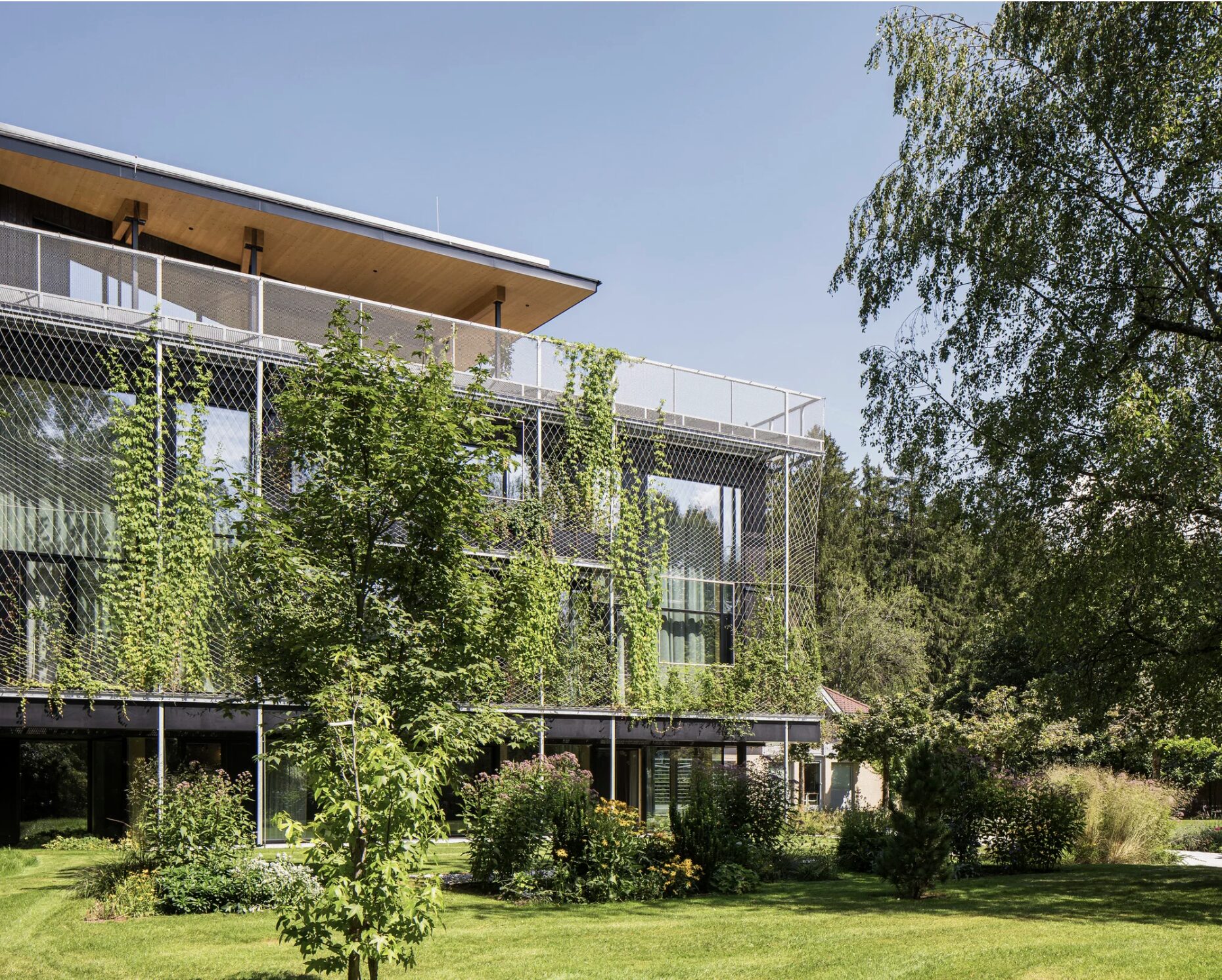
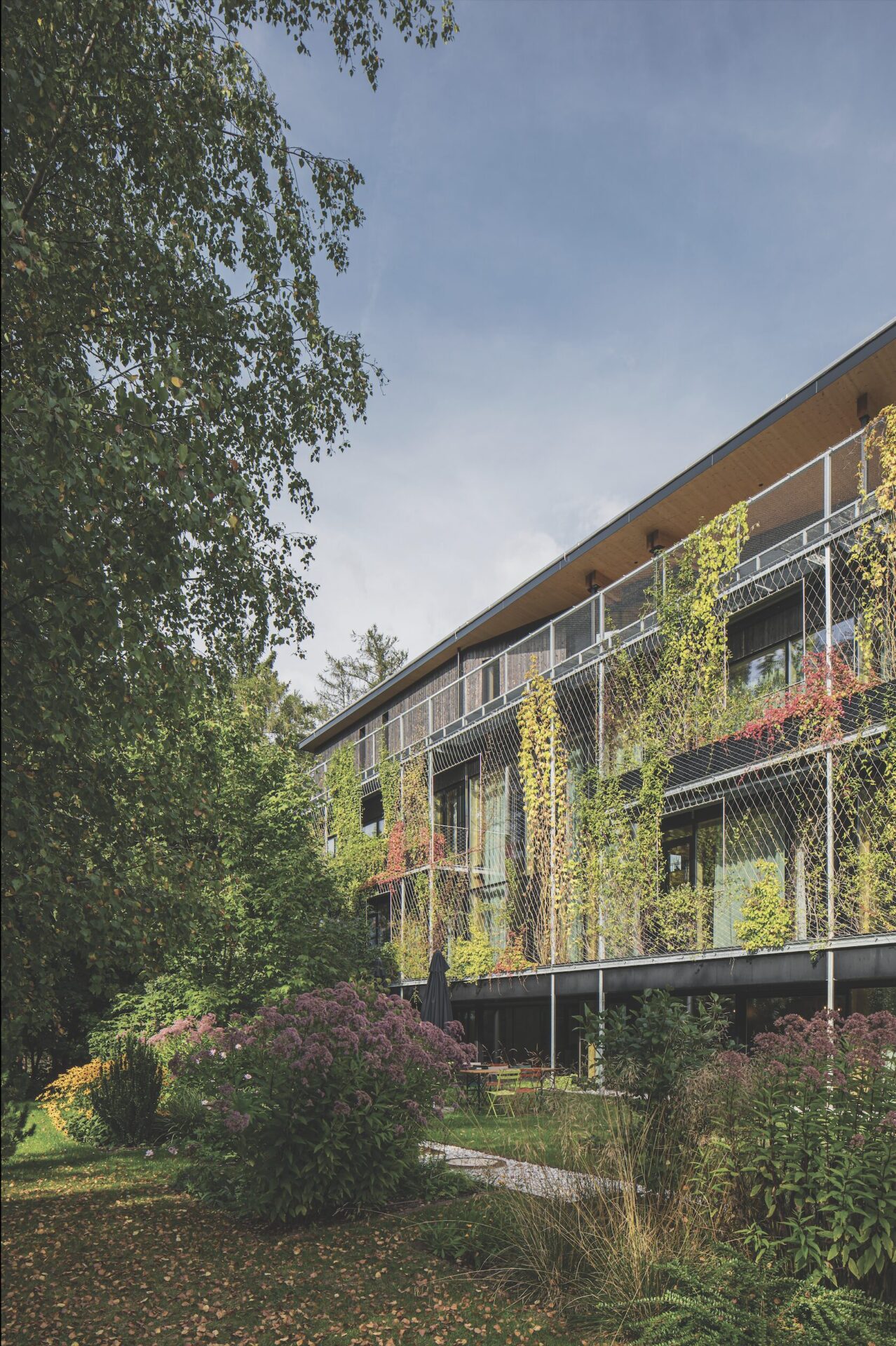
I think the most effective strategy is to rely on our contextual approach and find the most suitable connection to nature for each specific site. This can be a walk-on roof next to the sea like the Oslo Opera, a green façade with integrated balconies like the ASI building, fresh air provided by a natural ventilation like Vertikal Nydalen or green balconies like the LOVT Vibe building.
Beyond materials and aesthetics, how do you choreograph light, air, sound, and other sensory elements to support well-being and productivity?
The intention is to create a specific atmosphere related to the project and its context. When everything, all the individual issues such as air, light and sound come together in one concept or in a deeper narrative, as you put it then we are able to create unique spaces that ultimately create a sense of well-being. A joint narrative of designers, client, users and other stakeholders also establishes a sense of ownership for the building.
While technology and nature might seem at odds, how do you use advanced systems to create workplaces that are both intelligent and emotionally resonant?
High-tech and low-tech solutions often go hand in hand. Advanced technologies help to develop or implement low tech solutions, be it in the design or in the operations of buildings. In brief, here are two examples related to natural ventilation: one on for the design one for the operation. The geometry of a building, at least of larger volumes, plays a key role in natural ventilation. Digital tools help to design, volumes in such a way that pressure differences are created that activate natural circulation of the air. To operate such systems, sensors constantly monitor the room climate (factors like room temperature, humidity, CO²) and then regulate the natural air flow, e.g., by opening and closing of ventilation flaps. One important aspect is that users should still be given options (like the possibility to open windows) so that they don’t feel dominated by technology. To stay with the example, the better the system is customised, the less the user will feel the need to open the window to ventilate.
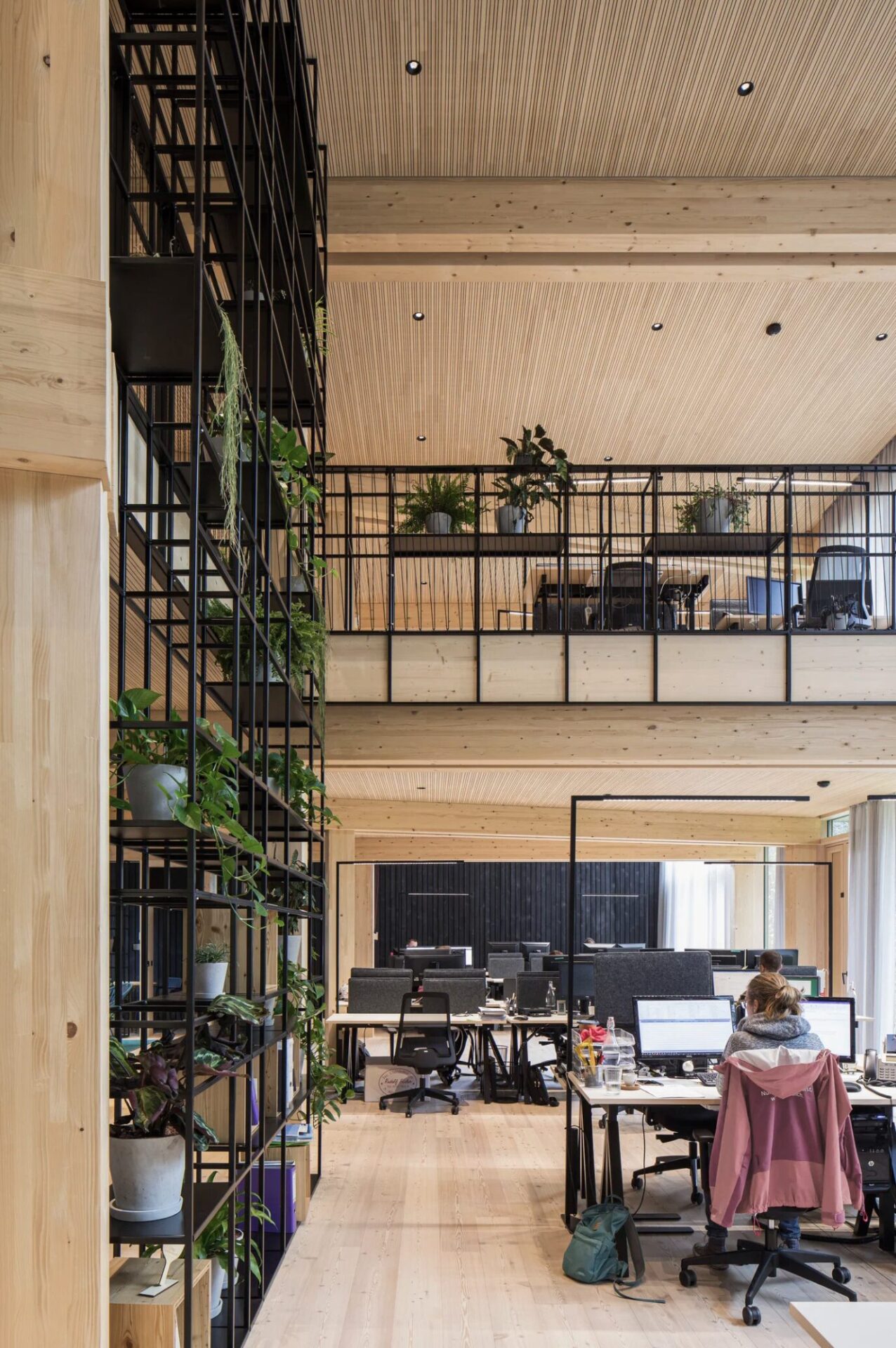
When shaping restorative yet functional environments, how do you engage clients, users, and communities to make nature an active participant rather than a decorative afterthought?
Snøhetta practices a self-defined transdisciplinary process in which different professionals from architects to visual artists, philosophers to sociologists exchange roles in order to explore differing perspectives without the prejudice of convention. When working with clients, this approach continues. We conduct concept workshops with all stakeholders. With this method we co-create a concept which will form the basis for design strategies. Such forums encourage holistic approaches and often produce the most exciting, useful, and fresh takes on a problem. And it creates an identification of different stakeholders with the project.
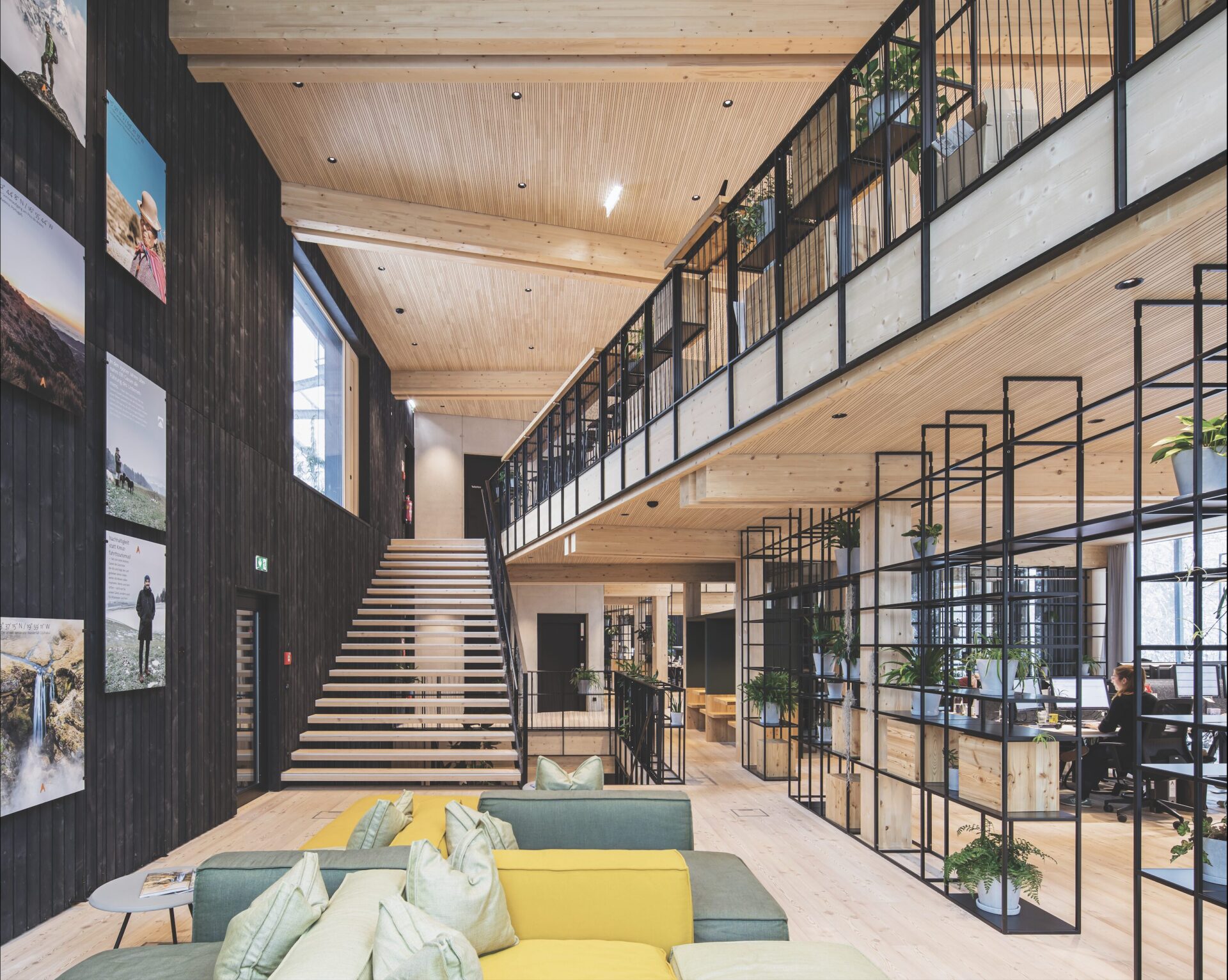
In projects like Asi Reisen Headquarters, with timber, green facades, and daylight-filled interiors, what guides your integration of structure and nature, and how does local context shape your approach?
The design concept for the ASI Reisen Headquarters is inspired by the idea of symbiosis between nature and humanity. This guiding idea was developed together with ASI Reisen’s employees and the design team from Snøhetta in the mentioned workshop format.
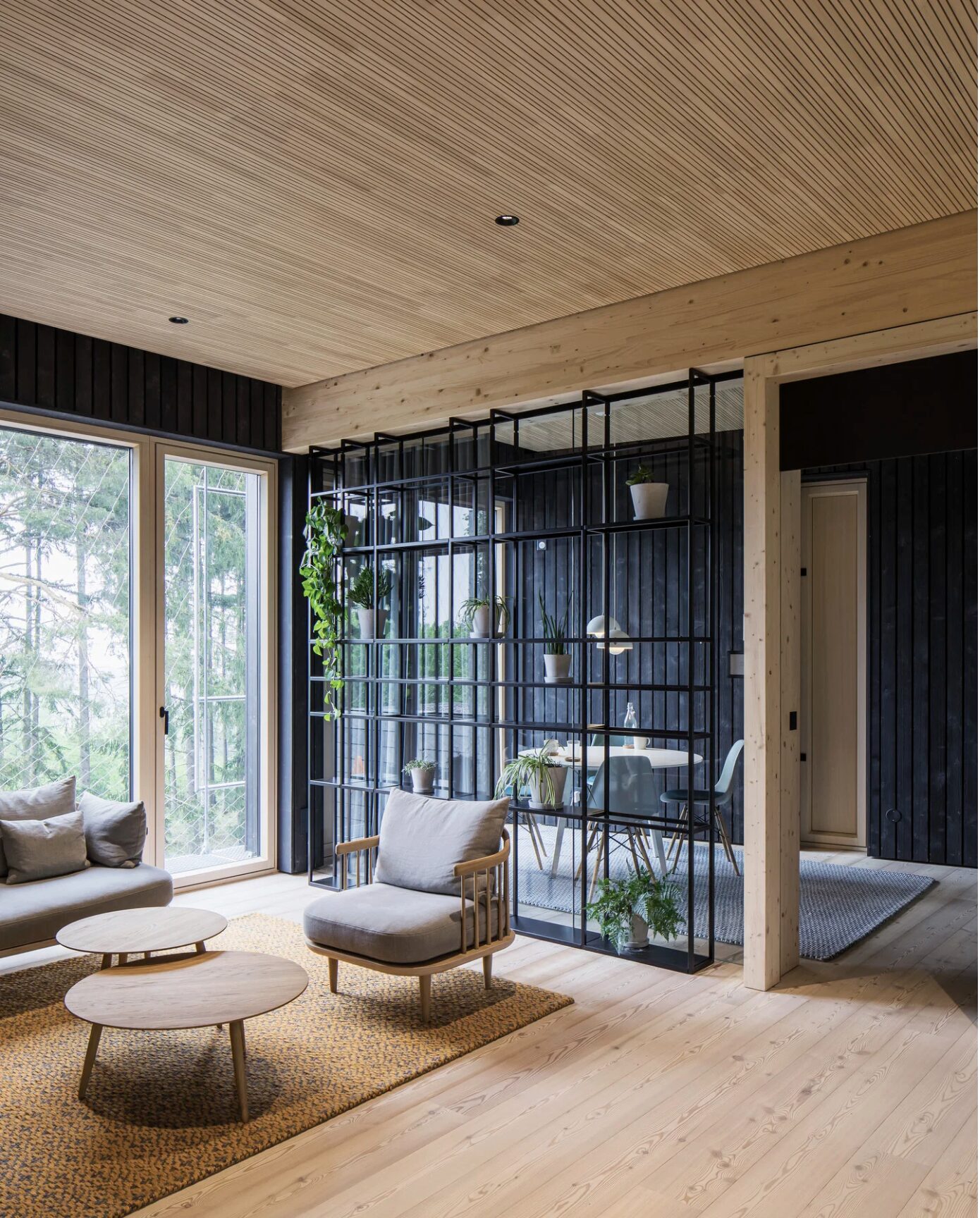
The company offers sustainable trekking experiences around the world and the design for the new office space reflects the company’s working culture and its commitment to sustainability. In response to the concept and the local context, a “green curtain” of climbing plants blends the building harmoniously into the forest surroundings.
LATEST ARTICLES
LATEST ISSUE