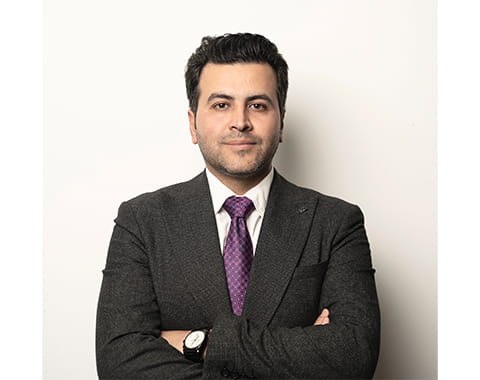
An interview with Hardi K. Abdullah of AVA Architects
Hardi K. Abdullah, co-founder of AVA Architects, is a RIBA-chartered architect holding both a Master of Science and a Doctor of Philosophy in Architecture. After completing his MSc study at Newcastle University in the UK, he returned to Iraq in 2012 to establish AVA Architects, which has since delivered multiple award-winning, large-scale projects nationwide. The firm has built a strong reputation for its research-driven approach, seamlessly integrating local identity with sustainable and biophilic design principles. In this interview, Abdullah reflects on his academic research into meaning and communication in parametric architecture; while also sharing his vision for building a globally recognised, environmentally conscious architectural practice deeply rooted in regional context.

How can nature-integrated design elements, such as courtyards and natural ventilation, enhance productivity and sustainability in contemporary workspaces?
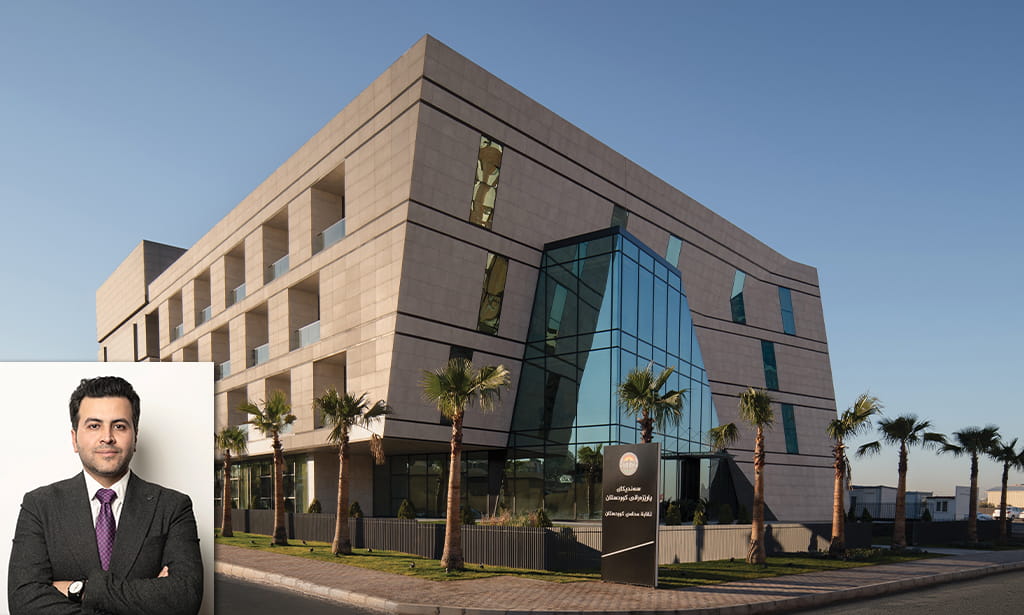
One of our recent projects, the Kurdistan Lawyers Syndicate Headquarters, was designed to serve over 6,000 registered lawyers.
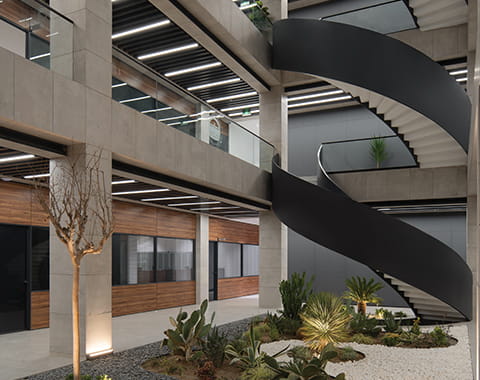
The facility accommodates daily operations such as registration, renewals, and administrative services, while also providing spaces for companies requiring legal representation.
Previously operating from an inadequate rented building, the Syndicate launched a design competition with ten participating firms to create a purpose-built headquarters.
Rather than adopting a conventional symmetrical formal composition, we pursued a more optimistic and transparent architectural language. The design carefully balances solid and void forms while responding to environmental exposures on each façade. Large glass panels on the north façade maximise daylight without overheating, while the west façade employs self-shading strategies and narrow windows to mitigate solar gain.
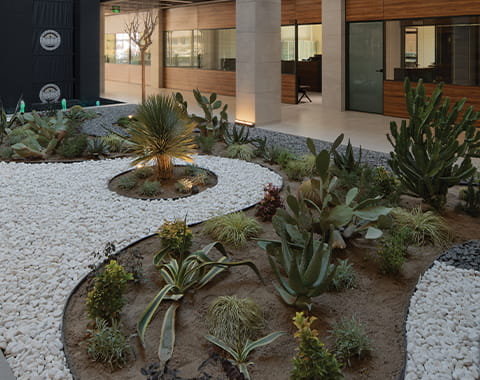
Philosophical and environmental considerations guided the project. Drawing inspiration from Erbil’s traditional courtyard houses, we introduced a landscaped courtyard with fountains and greenery, reinterpreting vernacular typologies in a contemporary civic setting. Desert-adapted plant species were selected for resilience, while panoramic elevators provide views of the internal garden, reinforcing a sense of openness. Glass partitions throughout enhance visual connectivity and transparency.
The courtyard and surrounding green spaces serve not only as ecological features but also as restorative environments that promote biodiversity and occupant well-being. Complementing this, a hybrid ventilation system combines natural cross-ventilation with energy-efficient mechanical solutions, including HRV units, to improve air quality and comfort while reducing energy demand.
This integration of nature-driven design strategies demonstrates how contemporary workspaces can simultaneously elevate productivity, foster well-being, and achieve long-term sustainability.
How do you define a truly regenerative and human-centred workplace? What design principles have you used to avoid greenwashing?
For us, integrating greenery into buildings is not a trend but a continuation of architectural tradition. Historically, homes in our region centred on internal courtyards – living,, breathing spaces that connected people to nature. Over time, these spaces shifted to front or back yards, or disappeared altogether. Reviving such concepts through contemporary design provides a truly sustainable response to modern challenges.
Humans are inherently connected to nature – we are drawn to plants, animals, and natural elements. Yet people now spend nearly 90% of their time indoors. Our design approach brings nature back inside, supporting passive strategies that maximise daylight and natural ventilation, reduce dependence on artificial lighting and HVAC systems, and lower energy use and carbon emissions.
Sun orientation is fundamental. While many buildings replicate identical façades on every side, we respond to solar exposure. The sun is both a source of energy and a cause of heat gain, glare, and discomfort. Our façades are carefully designed to balance natural cooling, lighting, and shading, ensuring comfort and performance. We believe passive design strategies are essential. Engineers can provide efficient technologies – LED lighting, inverters, HVAC systems – but it is the architect’s responsibility to shape form, orientation, and materials in ways that embed sustainability at the core. For us, regenerative, human-centred design means prioritising these principles in every project.